

A Reputation for Speed
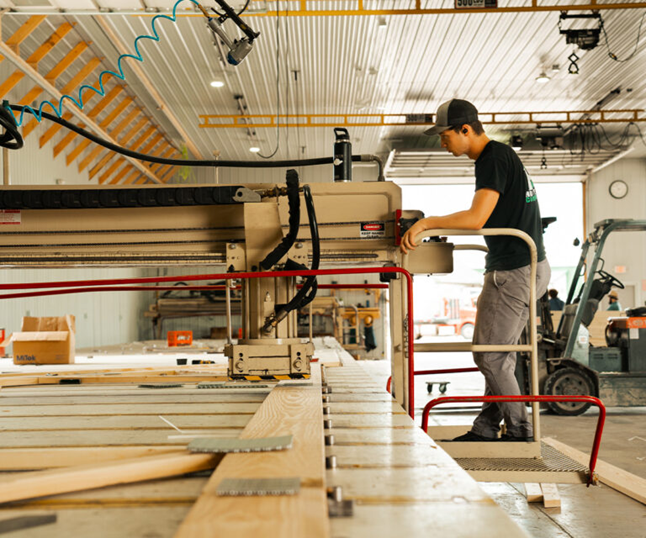
In 1997, the Hostetler Brothers saw an opportunity in the construction market, where lead times for prebuilt trusses were frustratingly long. So, they founded Hostetler Truss. What started with hand-drawn plans has since then evolved into a high-tech operation where CAD designers send jobs directly to the shop floor, making it possible to deliver 20 loads of product daily.
But during a routine software feature upgrade, activity ground to a halt. Tasks that previously took 2 seconds now spun on for 30, and the production team couldn’t maintain their usual pace. The server that handled information such as file sharing and business app database had been overwhelmed by the demands of their modern software.
“When you get slowed down like that, it hurts badly enough that you can’t keep working efficiently,” Titus explained. “At that point, it’s not worth trying to get an extra year out of it.”
The Demands of Software Updates
The issue came from a shift in how business software improves. Years ago, major software upgrades occurred every 1-4 years with boxed software versions. Companies could plan hardware replacements around these predictable milestones.
Today’s cloud-based software updates arrive monthly or even weekly, and the line between “minor update” and “major upgrade” has blurred. Features that once required years of development now ship incrementally, and each update creates larger demands on infrastructure.
Hostetler Truss discovered this the hard way. What looked like a routine feature update turned out to be a large increase in database requirements, and their server couldn’t keep up.
Remote Experts and Local Results
With operations stretching across state lines, Hostetler Truss needed immediate help without the delays of onsite visits. They reached out to Landis IT.
The Landis team handled the process from initial consultation through solution design remotely. They looked at current capacity, planned for growth, and chose hardware that would serve the company well beyond immediate needs. When the new server arrived at Hostetler’s facility, local staff placed it while Landis technicians managed the software migration remotely.
The entire process demonstrated what Titus values most about the relationship: “How would we describe Landis Technologies in a few words? We would say ‘dependable.’ For us, that means that there was no time where we had an issue and they didn’t provide an answer.”
Back to Full Speed
With the new infrastructure in place, Hostetler Truss returned to their previous efficiency. Tasks that had stretched to 30 seconds now completed in under 2 seconds again. Designers could move between customers, jobs, and drawings without frustration, and the production floor maintained its high output.
More importantly, the new server provides room for future growth. As their software continues to develop, Hostetler Truss has the infrastructure to support it.
Ready to ensure your infrastructure keeps pace with your software? Contact Landis IT to discuss proactive capacity planning.

